Germany’s Rooftop Solar Incentives Are Changing — Why System Reliability Matters More Than Ever
Germany has installed more than three million rooftop PV systems, making it one of the world’s largest residential solar markets. For years, feed‑in tariffs under the Renewable Energy Sources Act (EEG) helped drive this growth by allowing homeowners and businesses to sell excess electricity to the grid.
Today that model is shifting. Tariffs have declined as solar costs have fallen, and policy discussions increasingly point toward a future focused on self‑consumption rather than subsidies.

The Current State of Solar Incentives
Feed‑in tariffs still exist and typically guarantee payments for exported electricity for up to 20 years. However, the rates are much lower than they were during the early expansion of solar.
As a result, many homeowners now prioritize using their own solar energy—powering appliances, charging EVs, or storing energy in batteries.
Installers are seeing the same shift. Customers increasingly expect systems that operate reliably for 20–25 years, which puts more emphasis on installation quality and long‑term protection.
Long‑Term Risks for Rooftop Solar
Solar panels can last 25+ years, but performance depends on how well systems are protected from common rooftop risks.

One often overlooked issue is bird activity beneath panels. Pigeons and other urban birds frequently nest in the sheltered space under solar arrays, which can lead to:
- Debris buildup that increases fire risk
- Birds damaging exposed wiring
- Reduced airflow and lower system efficiency
- Additional cleaning or repair costs
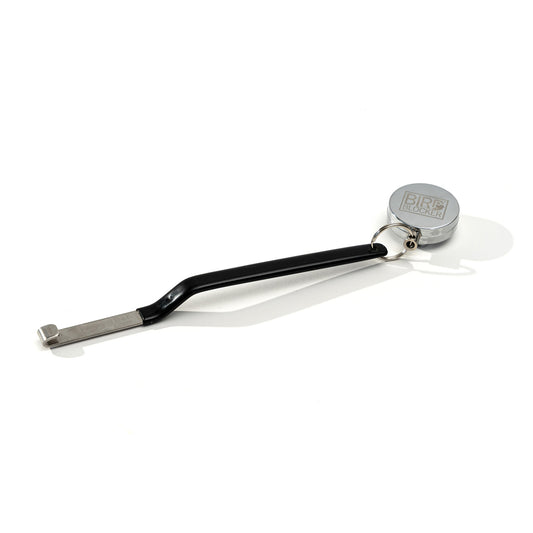
Solutions like BirdBlocker address this problem by installing durable barriers around the panel edges, preventing birds from nesting beneath the array while maintaining airflow.
Cable routing is another reliability factor. Loose cables may suffer UV damage, abrasion against roofing materials, or wildlife interference. CableFixPro helps solve this by securely fastening and routing solar cables along the array structure, keeping wiring protected and reducing long‑term wear.
Using solutions like these during installation helps avoid common rooftop risks and supports long‑term system output.
Protecting Rooftop Systems
As Germany’s solar market becomes more performance‑driven, protecting rooftop systems is increasingly important for both installers and homeowners.
Protect your installation from day one with BirdBlocker solar bird proofing and CableFixPro secure cable management—simple, installer‑friendly solutions that help prevent nesting, protect wiring, and keep rooftop PV systems running reliably for decades.
Addressing these risks early during the design and installation phases helps installers reduce call-backs and helps homeowners protect output over the full life of the system.