European Solar in 2026: Moving Beyond "Set and Forget"
In 2026, the European solar market has shifted from a period of rapid expansion to one of long-term asset management. For most homeowners, the initial excitement of installing panels has been replaced by the practical reality of maintaining them. With electricity prices remaining structurally higher than they were a decade ago and grid feed-in tariffs in steady decline, the financial success of your rooftop installation depends entirely on its efficiency and lifespan.
The "set and forget" mentality of the early 2020s is being replaced by a more disciplined approach to system protection, as owners realize that local wildlife and environmental wear-and-tear are major threats to their energy independence and investment. Any drop in output or unexpected repair cost directly eats into your return on investment.
The 2026 European Solar Landscape
Across the EU, the 2026 Energy Performance of Buildings Directive (EPBD) has officially made "solar-ready" the new standard for European architecture. This means new residential buildings are designed to accommodate solar energy as a primary utility, rather than an optional add-on. However, this regulation also places a greater responsibility on homeowners to maintain these integrated systems.

A broad policy trend is emerging across Europe pointing homeowners toward "active self-consumption". Regulatory changes across the Union are phasing out traditional feed-in tariffs in favor of market-based pricing and dynamic contracts. This transition, coupled with a push for higher quality standards under the Net-Zero Industry Act, means that rooftop solar is no longer a passive income stream but a managed asset.
Homeowners are increasingly required to ensure their systems meet rigorous safety and efficiency standards to maintain grid connection and maximize the financial benefits of their localized energy production.
Protecting Your Solar Investment
A high return on your solar setup requires a plan to protect the hardware from the test of time. Wiring and mounting structures underneath the panels are vulnerable to pests and weather, often leading to unexpected repair costs. Proactive maintenance ensures peak production and energy independence. Consider these essential solar health upgrades:
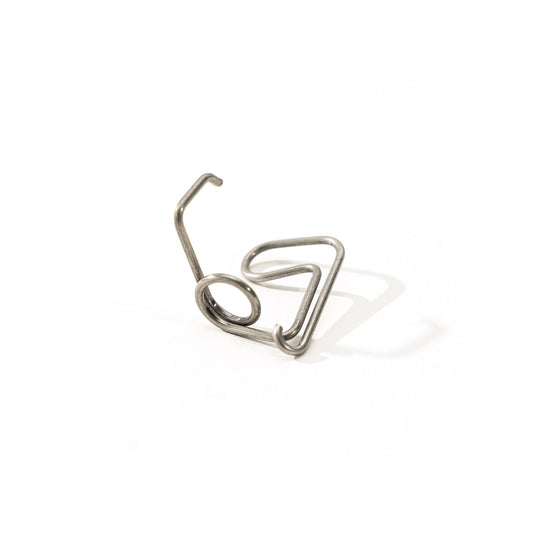
Bird-Proofing: Specialized "skirts" which create a physical barrier that prevents pigeons and other pests from accessing the underside of the array. This prevents the accumulation of flammable twigs and acidic guano, which can corrode panel frames and damage your roof tiles over time.

Cable Management: Proper organization and securing of wiring ensures that cables do not sag onto the roof surface, where they are prone to water damage. High-quality routing prevents wind-chafing and makes it significantly harder for rodents to chew through vital connections, preventing costly system-wide failures.
Periodic Cleaning: Relying on rain to clean your panels is a mistake; it rarely removes the stubborn film of pollen, soot, and bird droppings that can slash output by up to 20%. Cleaning your panels once or twice a year is essential to clear these layers and ensure your system captures every available photon.
Battery Storage: Pairing your array with a modern battery system allows you to store the energy you generate during the day for use at night. In an era of declining feed-in tariffs, this is the most effective way to protect your investment from fluctuating grid prices and maximize your total savings.
Is your system fully protected? Browse our shop to find the right bird-proofing kits and cable management solutions to secure your system before the next nesting season begins.
Securing Your Energy Future
Maintaining a solar system in 2026 is about proactive defense. By combining bird-proofing and robust cable management with a smart battery system and a regular cleaning routine, you transform a vulnerable piece of hardware into a resilient home utility. These small upfront investments in protection pay for themselves by preventing even a single service call or a 10% dip in annual production.